



























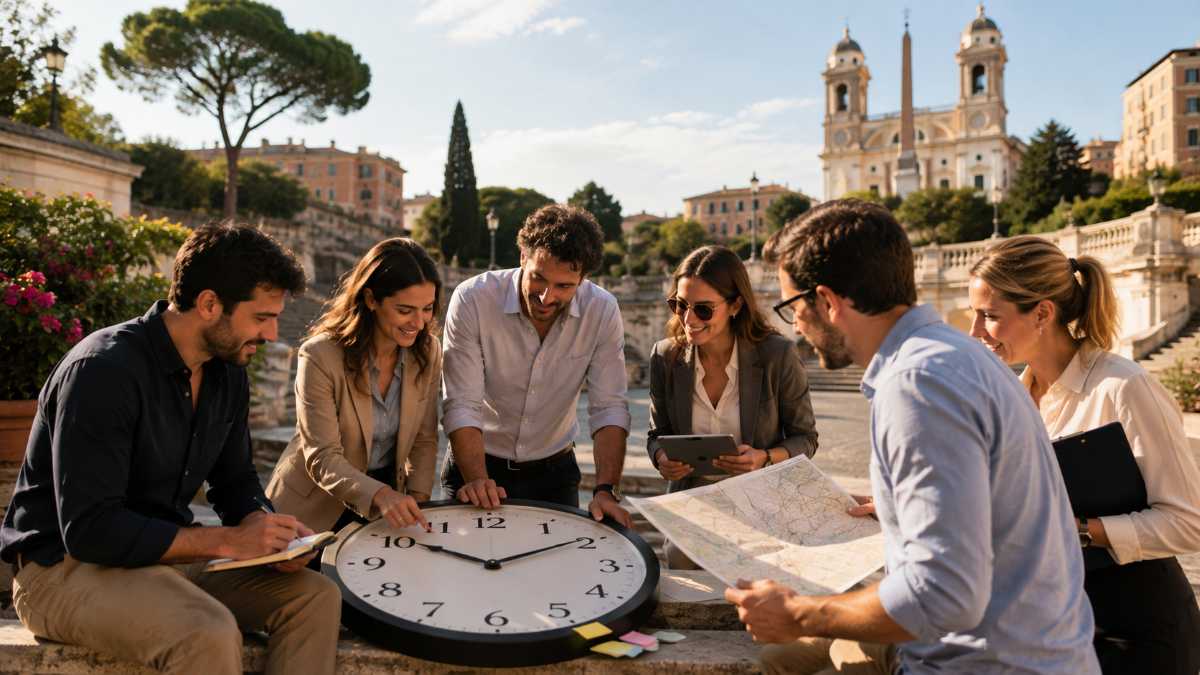
How long does effective team building last? A complete guide to choosing the right amount of time
"How much time do we need to dedicate to team building?"
It’s one of the first questions that companies, HR managers, and event organizers ask when they start planning an activity for their team. Some imagine a simple break of a couple of hours, while others believe that only a full day can produce tangible results.
The truth is: there is no perfect duration that works for everyone.
The effectiveness of team building doesn’t depend on the number of hours spent together, but on the quality of the experience, the goals that have been set, and the involvement of the participants. A well-designed activity can make a strong impact in just a few hours, while an entire day—if organized without a precise strategy—risks dispersing energy and attention.
In Rome, a city rich in history, culture, and unique settings, the length of the experience can be enhanced by choosing locations that turn every minute into an opportunity for discovery and collaboration.
Why duration matters in team building
Time is a valuable resource for every company.
Organizing an activity means finding the right balance between operational needs and moments dedicated to group growth.
An effective team building experience should follow some fundamental principles:
-
keep attention high;
-
foster continuous engagement;
-
alternate dynamic and reflective moments;
-
create memorable experiences without exhausting participants.
The ideal duration comes from balancing these elements.
Team building for 2–3 hours: short but intense
When to choose it
Short-duration activities are perfect when the available time is limited or when they’re included within meetings, conventions, or conferences.
In just a few hours, it’s possible to develop activities such as:
-
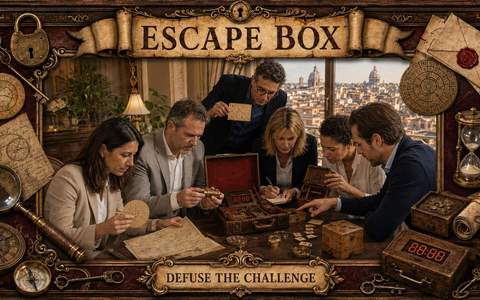
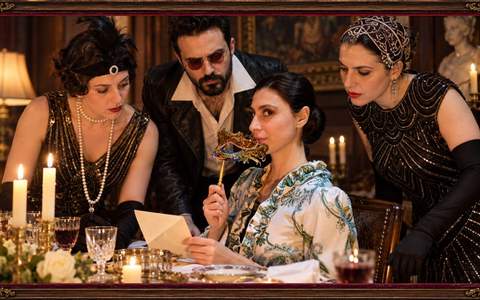
urban escape games;
-
treasure hunts;
-
interactive quizzes;
-
team challenges;
-
creative workshops.
The benefits
A compact format makes it easier to maintain concentration and engage everyone without excessively impacting the workday.
In Rome’s historic center, for example, a treasure hunt between Piazza Navona, the Pantheon, and Fontana di Trevi can offer a complete experience in about three hours—alternating culture, fun, and collaboration.
Team building for half a day
The most requested format
Activities lasting about four or five hours are today one of the preferred solutions for companies.
This time allows for more structured experiences, leaving room for both hands-on activities and discussion moments.
Among the most appreciated options we find:
-
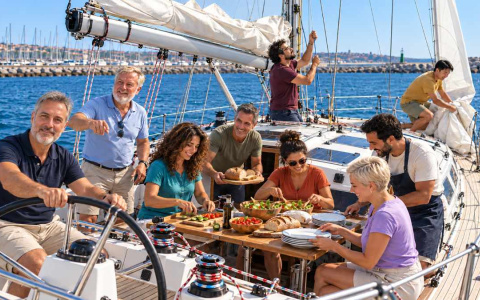
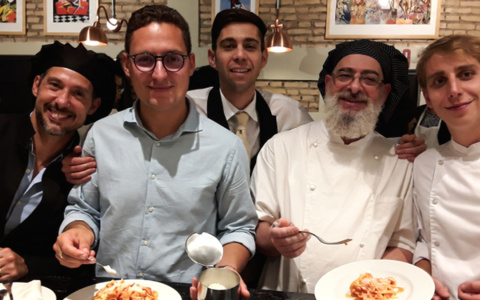
cooking team building;
-
sporting activities;
-
music workshops;
-
experiential routes;
-
outdoor challenges.
A half-day makes it possible to create an engaging path without weighing down the event schedule.
Team building for a full day
When it’s a good idea
A full day is recommended when the company wants to work on specific goals such as:
-
leadership development;
-
integrating new team members;
-
organizational change;
-
strengthening company culture.
With more time available, it’s possible to alternate different types of activities, convivial breaks, and debriefing moments.
The itinerant experiences
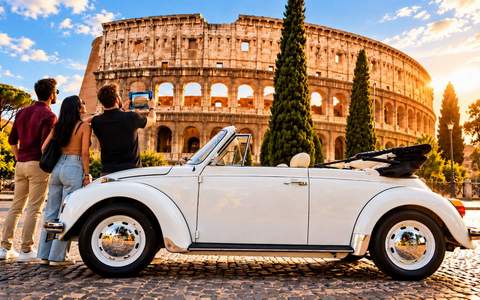
Rome offers the chance to turn the entire city into a space dedicated to team building.
A route that starts at the Colosseum, passes through the Imperial Forums, reaches Piazza Venezia, and ends at the Capitoline Hill allows you to experience a day full of emotion, culture, and teamwork.
Villa Borghese is also an ideal location for long-duration outdoor activities, thanks to its large green spaces, scenic paths, and many points of interest.
Duration changes based on the goals
Improving communication
Activities lasting between two and four hours are enough, as long as they’re highly interactive.
Strengthening a sense of belonging
A half-day helps create greater emotional involvement.
Experiential training
When team building is integrated with coaching or training moments, a full day guarantees deeper results.
The role of the location
Choosing the location directly affects how long the time feels.
An activity carried out in an engaging environment keeps attention high for much longer.
Rome offers extraordinary settings:
Historic Center
Ideal for dynamic routes between monuments and iconic squares.
Trastevere
Perfect for activities based on exploration and discovery.
Villa Borghese
Suitable for team games immersed in nature.
EUR
Great for corporate events with large groups.
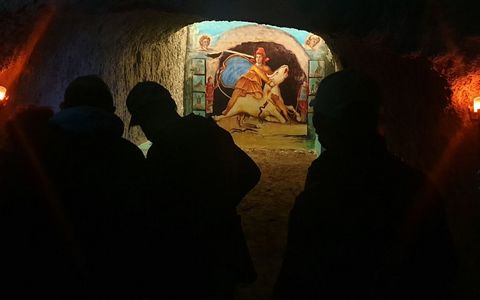
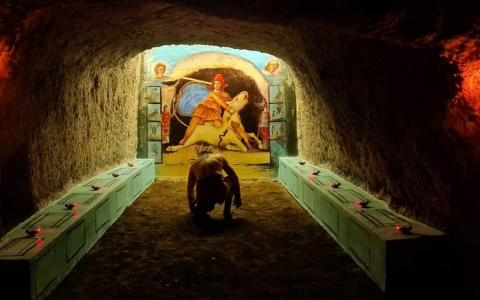
Underground Rome
Immersive experiences that turn just a few hours into an adventure full of emotion.
Better too little time or too much?
One of the most common mistakes is thinking that "longer" automatically means "more effective."
In reality, each activity has its own ideal duration.
A well-designed experience keeps a steady pace, alternates activities, discussion moments, and breaks—avoiding drops in attention.
The quality of planning matters much more than the amount of time spent together.
How to choose the right duration
Before defining the program, it helps to ask a few questions:
What is the event’s objective?
Building teamwork, motivating people, training, or simply celebrating a success all require different timelines.
How many participants will there be?
Larger groups often require more organization.
What time of year will it take place?
Outdoor activities may require different amounts of time compared to indoor ones.
Is there a company meeting planned?
Integrating team building into a convention makes it possible to optimize the day.
The benefits of well-calibrated team building
When the duration is chosen correctly, the results are clear:
Consistent engagement
Participants stay active from start to finish.
Natural collaboration
Group dynamics emerge spontaneously.
Memorable experience
Every phase of the activity helps create a positive, shared memory.
Higher return on investment
The time dedicated produces concrete benefits for the company climate and internal relationships.
Conclusion
The right question isn’t "How long should a team building event last?", but "How much time do we need to achieve my company’s goals?".
Whether it’s a two-hour challenge across the squares of the Historic Center, a half-day at Villa Borghese, or a full immersive experience among the Capital’s most iconic places, success depends on the ability to design engaging, dynamic activities built around the group’s real needs.
In Rome, every minute can become an opportunity for growth, collaboration, and shared experiences. When time is planned carefully, it doesn’t matter how long the experience lasts—what matters is what remains with the people once it’s over.