




























The story of Carbonara: myth or reality?
Rome’s signature dish between legend, tradition, and Team Building
Few dishes in the world spark debates like Carbonara. Some claim it was born in Roman kitchens, others link it to the charcoal burners of the Apennines, and still others say it took shape in the second postwar period thanks to the meeting between Italian ingredients and the rations of American soldiers. What is the truth?
Perhaps the charm of Carbonara lies right here: in a story wrapped in mystery, made of stories passed down, popular traditions, and a touch of legend. And what better place than Rome to discover it—turning a simple lunch into a team-building experience that blends culture, flavor, and collaboration?
Carbonara: one recipe, many stories
The myth of the charcoal burners
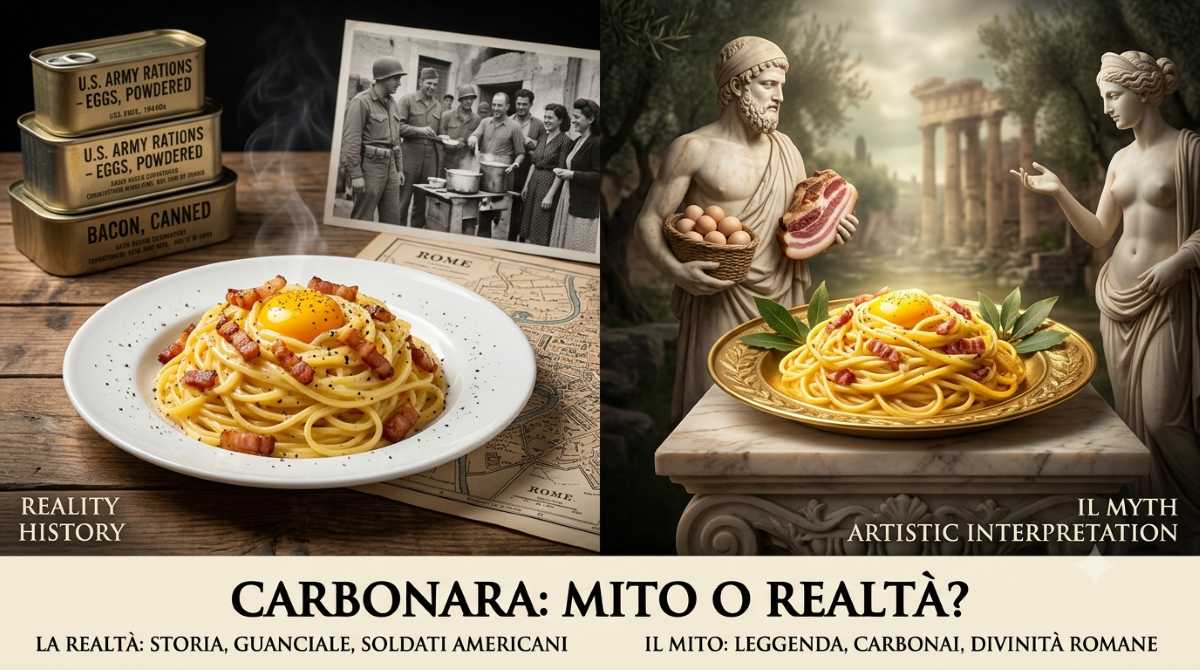
One of the most fascinating theories says that the name "Carbonara" comes from the charcoal burners who worked among the woods of the Apennines. They needed a filling dish, made with ingredients that were easy to store: pasta, guanciale, pecorino, eggs, and black pepper.
It’s a compelling story, even if historians haven’t found definitive proof.
The postwar hypothesis
According to many food scholars, Carbonara was created in Rome between 1944 and 1945. Powdered eggs and bacon distributed by Allied soldiers would have been combined with ingredients from local tradition, giving rise to a recipe destined to win over the world.
Whatever its true origin, today Carbonara represents one of the most authentic symbols of Roman cuisine.
Rome: where every dish tells a story
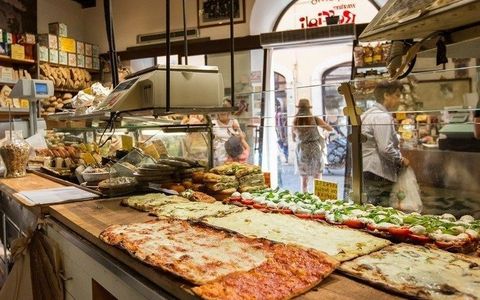
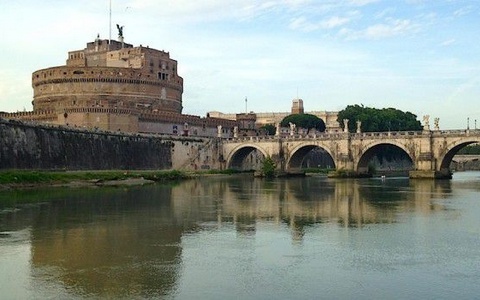
Walking through the lanes of Trastevere, crossing Campo de' Fiori, stopping at the trattorias of the Jewish Ghetto, or in the historic neighborhoods near Piazza Navona means immersing yourself in a culinary culture rooted in centuries.
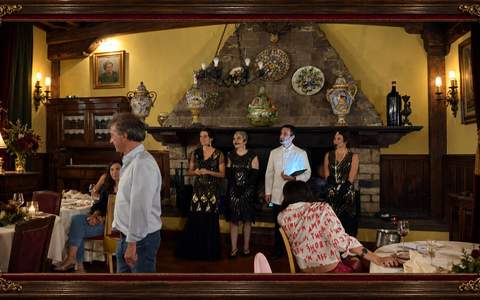
Here, every recipe tells a story and every osteria keeps small secrets passed down from one generation to the next. This is the ideal setting for a team-building activity that combines discovering the area, tastings, team games, and gastronomic curiosities.
What you’ll discover
During an experience dedicated to Roman cuisine, you can:
-
learn about the main theories behind the birth of Carbonara;
-
distinguish the traditional recipe from modern versions;
-
discover interesting facts about Rome’s historic neighborhoods;
-
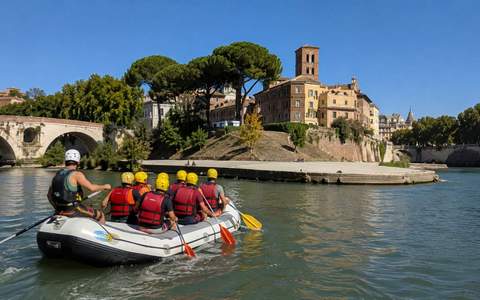
take on challenges and group activities inspired by culinary tradition;
-
share an authentic, convivial experience.
Why Carbonara is perfect for Team Building
Cooking has a universal language: it brings people together, encourages dialogue, and creates moments of sharing.
Preparing a dish, taking part in a tasting, or solving a culinary challenge means collaborating, comparing ideas, and valuing the contribution of each participant. It’s the same principle that drives a working team: different ingredients that, together, create something unique.
That’s why food and wine experiences are among the most appreciated team-building activities by companies.
Experts’ point of view
Research on experiential learning highlights how activities based on sharing promote the building of strong relationships and improve communication among colleagues. Gastronomy, in particular, engages emotions, memory, and collaboration—creating an informal setting that makes it easier for new connections to form within the group.
When culture and cooking meet, learning becomes spontaneous and the experience stays with you over time.
Myth or reality? Maybe both
Maybe we’ll never know for sure who prepared the first Carbonara. But it’s precisely this mystery that makes it even more fascinating.
Every dish served tells a story, each trattoria keeps a different version, and every Roman defends their recipe with passion. Discovering Carbonara means entering the heart of Roman culture and experiencing a tradition that continues to move millions of people.
And it’s exactly this blend of history, flavor, and sharing that turns a simple tasting into a team-building experience capable of leaving an authentic memory.