


























Why multinational companies invest in Team Building
A lesson from big businesses: people make the difference
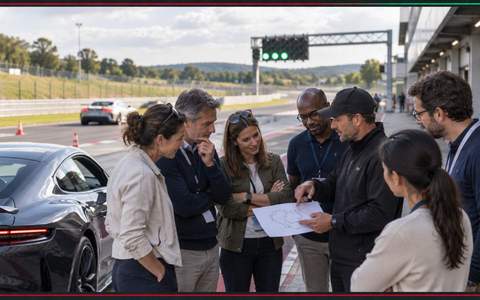
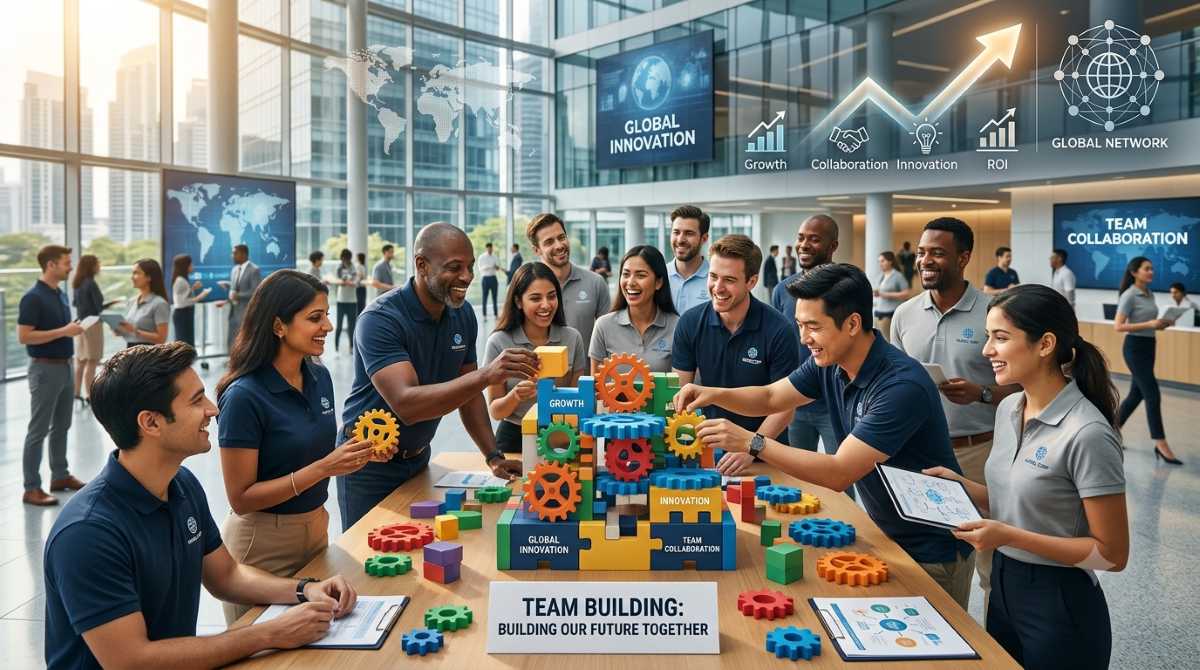
Every year, the world’s most important multinational companies invest millions of euros in the development of their people. This is not only about technical training or professional updates: an ever-growing portion of these investments is dedicated to Team Building, today considered one of the most effective tools for improving collaboration, communication, and organizational well-being.
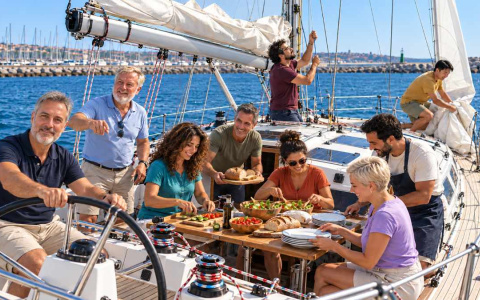
Behind every major international project there are not just strategies and technologies. There are people who learn to trust one another, share ideas, and face everyday challenges together. It is precisely this awareness that gives rise to the success of experiential activities.
And what better place than Rome, a city symbol of history, leadership, and cooperation, to experience something capable of leaving a mark?
Why Team Building is a strategic choice
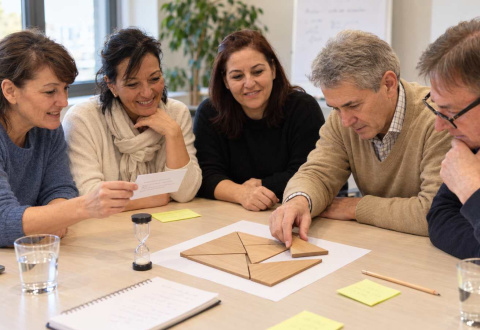
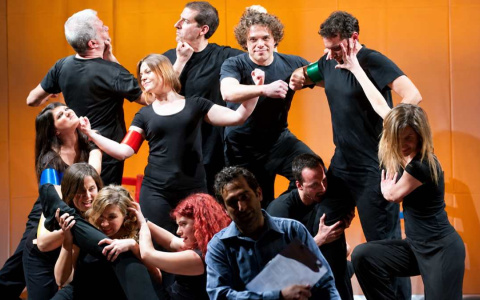
Modern organizations operate in increasingly dynamic markets, where the speed to adapt, innovate, and collaborate represents a competitive advantage. For this reason, multinationals do not consider Team Building a simple recreational moment, but a real investment in human capital. Through engaging activities, employees learn to communicate more effectively, value individual skills, and build relationships based on mutual trust. When a group works better together, productivity, workplace atmosphere, and the ability to deal with change also improve.
Rome: a city that teaches the value of teamwork
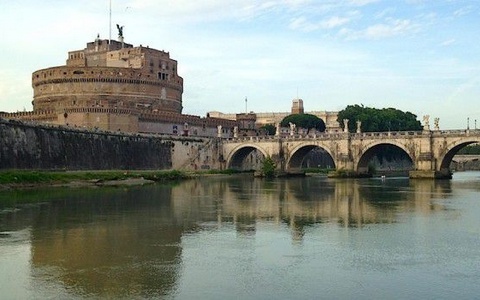
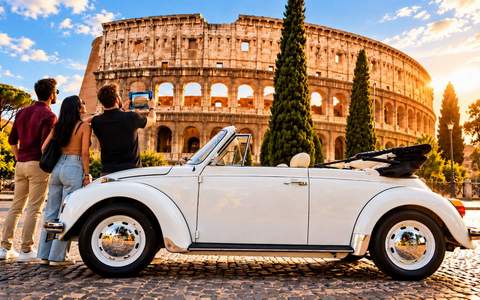
Strolling through the Colosseum, crossing the Imperial Forums, reaching the Pantheon, getting surprised by Piazza Navona, or exploring the authentic views of Trastevere means immersing yourself in places that tell stories of collaboration, ingenuity, and vision.
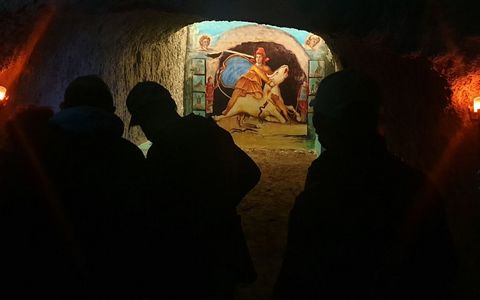
The Roman Empire was not built by the work of one person, but by the ability of thousands of men to coordinate toward a common goal. Even today, these monuments remind us how decisive collaboration has been for creating works meant to last for centuries.
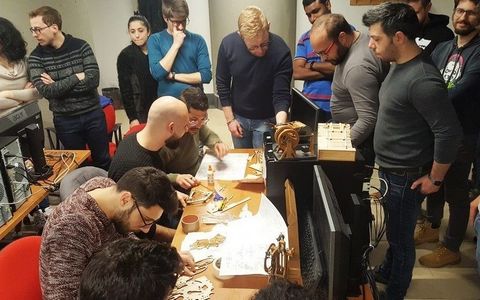
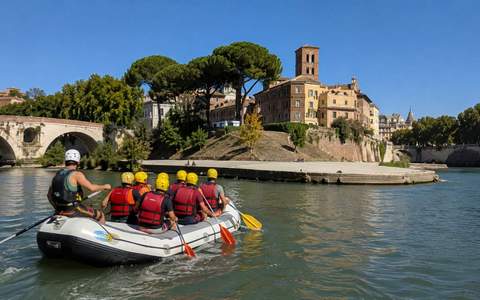
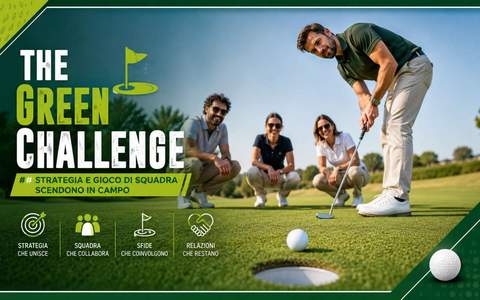
During a team-building activity, these settings become the ideal backdrop for meeting challenges, team games, and experiential paths that combine culture and professional growth.
What you’ll discover
By taking part in a team-building activity in Rome, you can:
-
experience the city through interactive activities;
-
discover curiosities and anecdotes about the main monuments;
-
take on missions that encourage collaboration and problem-solving;
-
improve communication among colleagues;
-
turn every challenge into an opportunity for shared growth.
Storytelling that creates value
Imagine a group of colleagues meeting in front of the Colosseum. At first, everyone looks at the monument from their own point of view. Then the first clue arrives, a discussion begins, someone proposes a solution, another person spots a hidden detail, and little by little the group starts thinking like a real team.
What seemed like a simple game becomes a concrete exercise in listening, leadership, and collaboration. At the end of the day, there won’t be only photographs, but a new way of working together.
What experts say
Research in organizational psychology and experiential learning shows how shared activities promote engagement, improve communication, and strengthen the sense of belonging.
Companies that invest in the development of soft skills often achieve more cohesive teams, greater ability to adapt to changes, and better collaboration among people with different roles, skills, and cultures.
That’s why Team Building is now considered a strategic tool in human resource management.
The skills that help companies grow
Collaboration
Working together toward a common goal.
Leadership
Learning to guide and value the contribution of others.
Communication
Sharing information clearly and effectively.
Problem Solving
Facing complex situations through discussion and creativity.
Trust
Building strong relationships that improve everyday work.
Why Rome makes the experience even more effective
A city like Rome adds an element that no meeting room can offer: emotion.
The squares, monuments, and stories of the Capital turn every activity into a memorable experience. A treasure hunt among the Pantheon, Piazza Navona, Campo de’ Fiori, and the Imperial Forums is not just a game, but a journey that combines culture, collaboration, and fun.
When an experience also involves emotions, the memory lasts longer and learning becomes more effective.
Conclusion
Multinational companies have long understood that the real competitive advantage is not represented only by technology or processes, but by people.
Investing in Team Building means investing in trust, collaboration, and the ability to face new challenges together.
Rome, with its historical and cultural heritage, offers the ideal setting to turn a business day into an experience capable of inspiring, motivating, and strengthening every team.
Because big results, yesterday as today, always come from people who learn how to work together.