


























International Team Building: Organizing Multilingual Groups
Companies no longer have borders. A meeting can bring together colleagues from Rome, London, Madrid, Berlin, New York, or Singapore—turning a simple business day into an encounter between cultures, languages, and different ways of working.
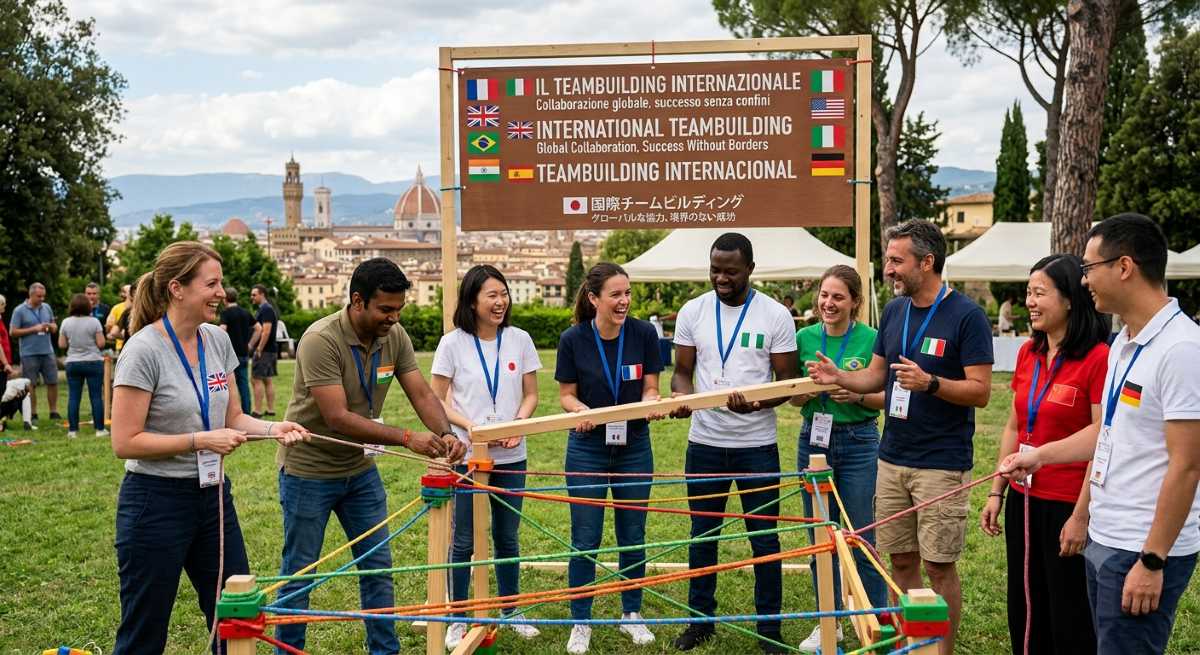
In this context, organizing an international team building means going beyond a simple fun activity: it means creating an experience that puts everyone on the same level, encourages communication, and turns diversity into a tangible advantage.
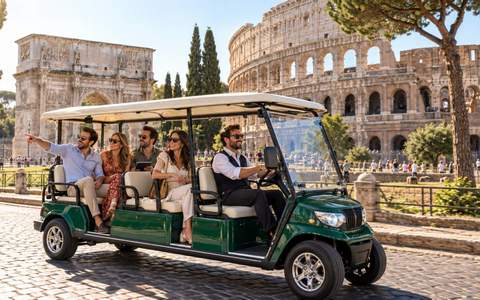
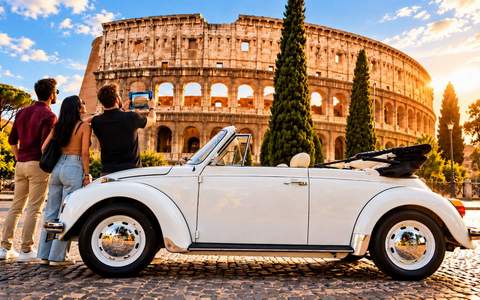
With its historical, artistic, and cultural heritage, Rome is one of the best places in Europe to build engaging experiences designed for multinational groups.
When the team speaks different languages, the game changes
Imagine a group made up of Italian managers, German developers, French salespeople, and American marketing leads.
At the beginning of the day, each person naturally tends to look for their countrymen. Conversations start in the native language, and small groups form spontaneously.
It’s a normal dynamic.
The job of a good organizer of corporate events is to break down these barriers without forcing anything.
The secret isn’t asking people to speak a different language—it’s designing activities in which collaborating becomes more important than the language itself.
When the game is built the right way, communication becomes natural.
Ideas begin to circulate.
Cultural differences become an advantage.
Why organize an international team building
Multinational companies invest more and more often in experiential events because they make it possible to develop skills that are unlikely to emerge during a traditional meeting.
Among the main benefits we find:
-
improved intercultural communication;
-
greater collaboration between international offices;
-
development of distributed leadership;
-
problem-solving capability in complex environments;
-
stress management;
-
adaptability to change;
-
integration of new collaborators.
The goal isn’t just to have fun, but to build relationships that will continue even after returning to the office.
Rome: the ideal city for an international group
Few cities in the world can tell a universal story like Rome.
Every square, monument, or alley represents a meeting point between different civilizations.
That’s why the city becomes the perfect stage for shared experiences.
Among the most engaging places we find:
-
the Colosseum;
-
the Imperial Forums;
-
Piazza Navona;
-
the Pantheon;
-
Trevi Fountain;
-
Spanish Steps;
-
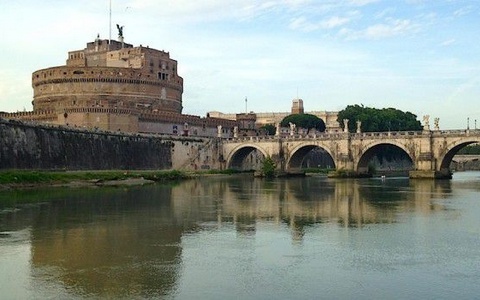
Castel Sant’Angelo;
-
Campo de’ Fiori;
-
the Capitoline Hill;
-
Trastevere;
-
Tiber Island;
-
Villa Borghese.
These POIs aren’t just tourist stops; they become narrative elements within the team building experience.
Every place can turn into a riddle, a mission, or a collaborative challenge.
The features of a truly multilingual activity
Simple, universal rules
The best activities are the ones that can be understood quickly, regardless of the language spoken.
Intuitive graphics, maps, images, and visual content reduce the need for long explanations.
Materials available in multiple languages
Tablets, Apps, game cards, and briefing materials should be available at least in:
-
Italian;
-
English;
-
French;
-
Spanish;
-
German.
This allows everyone to feel involved from the very first moment.
Balanced international teams
Mixing nationalities is essential.
Team formation must avoid having people who speak the same language work together all the time.
This way, authentic collaboration is encouraged.
The most effective activities for international groups
Multilingual treasure hunt
It’s one of the most requested experiences.
Teams must navigate around Rome’s monuments, solve riddles, and tackle photo, creative, and strategic challenges.
Language becomes only one of the available tools.
What matters most is the ability to collaborate.
Amazing Race
Inspired by the famous TV format, it alternates dynamic missions, navigation, logic challenges, and tasks on-site.
Each participant can contribute with different skills.
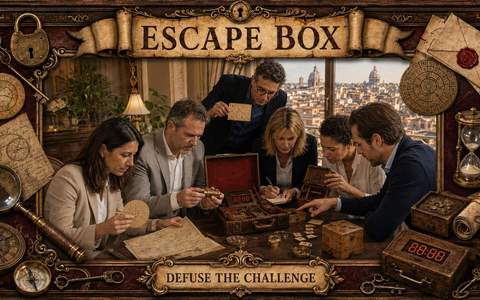
Urban escape game
The city turns into a large escape room.
Each clue leads to the next through an engaging storyline that combines history, art, and play.
Cultural challenges
Quizzes, artistic tasks, storytelling, and photo activities help highlight everyone’s contribution, regardless of their job role.
The importance of technology
Modern digital platforms help overcome many language-related difficulties.
Dedicated apps make it possible to:
-
switch languages in real time;
-
receive personalized missions;
-
send photos;
-
consult interactive maps;
-
accumulate points;
-
communicate with the Game Master.
This makes the experience extremely smooth even with hundreds of participants.
Beyond the game: a shared company culture is born
The true success of an international team building isn’t measured only by fun.
It’s measured in the following weeks.
When participants start writing to each other more easily.
When a video call becomes more spontaneous.
When collaboration between different offices grows out of someone you met during a treasure hunt among the alleys of Rome.
That’s when the investment generates value.
How to organize a successful international event
Before choosing the activity, it’s important to evaluate:
Number of participants
Experiences should be scalable from small groups to large conventions.
Languages present
Every piece of content should be adapted to the participants.
Level of involvement
Not everyone wants sports activities.
The best experiences involve every person without creating uncomfortable situations.
Company objectives
The activity must align with what the company wants to achieve:
-
networking;
-
integration;
-
leadership;
-
communication;
-
incentives;
-
celebration of results.
Rome speaks all the languages of the world
For over two thousand years, Rome has welcomed travelers from every continent.
Today it continues to do so, offering companies a unique setting where history, culture, innovation, and collaboration come together.
Organizing an international team building means allowing very different people to build something together.
And often, one shared challenge, a riddle solved as a team, or a photo taken in front of the Pantheon is enough to create a memory meant to last far longer than any meeting.
If you want to experience one of these activities, click here—you’ll find our proposals:
https://www.teambuildingrome.com/
Request a free quote and receive all the information about your Team Building experience.